Reading Code Before You Write It
Trace entry points, map data flow, and note conventions before you touch a line. Built around a small web service so the steps stay concrete.
Open moduleGlobal Darpan Technology Institute publishes structured educational material on programming, software development, and digital systems. Modules move from core coding concepts to the technical practices behind working applications, so you can follow a topic in sequence instead of collecting scattered explanations. Each unit states what it covers, what you need to know beforehand, and how the ideas connect to the next one.
Written for early learners, career changers, and working professionals who want clear technical grounding rather than shortcuts.
See the learning areas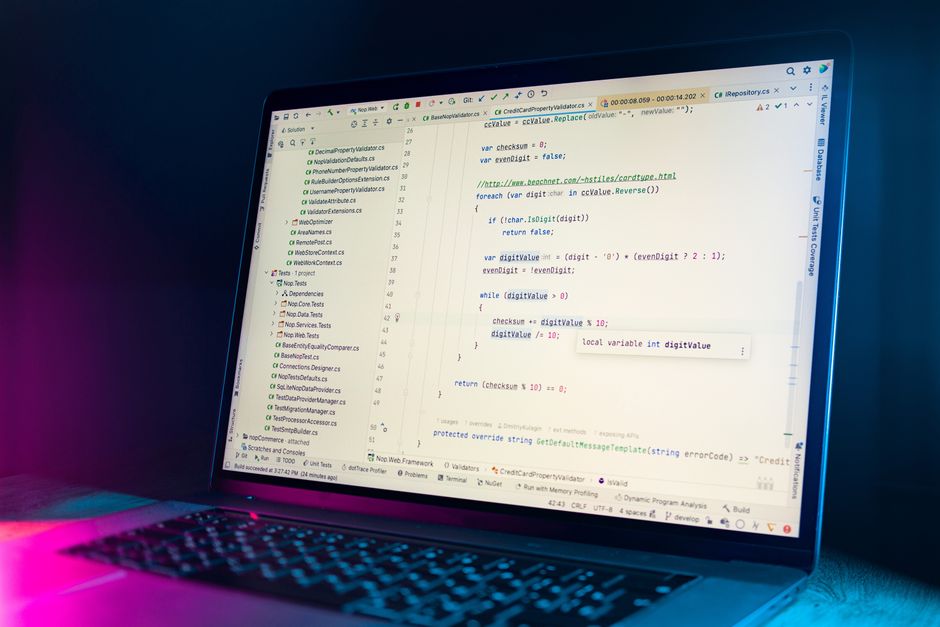
We publish structured learning material for people who want to understand software properly, not just copy snippets from a tutorial. The institute works with early learners, career changers, and working professionals who need clear explanations of programming concepts, software development practice, and the digital systems underneath both.
Questions about a specific module or where to start? Write to info@globaldarpan.com or call +43 4045 8927-51. The institute is based at Melanie-Danner-Ring 66, 8130 Raabs an der Thaya.
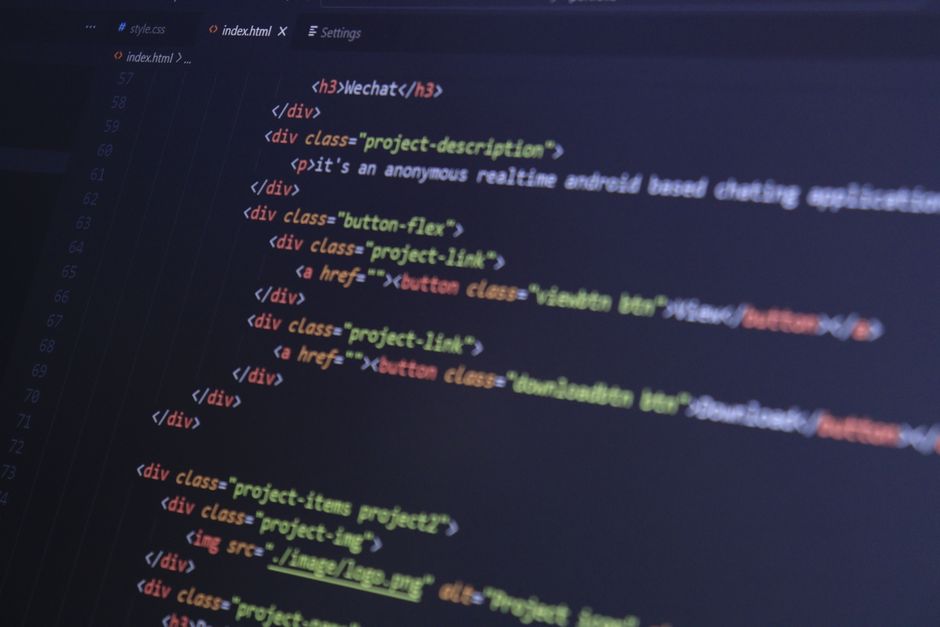
Three modules that pair well with the material you just read. Each one takes a single idea and follows it far enough to be useful on its own.
Trace entry points, map data flow, and note conventions before you touch a line. Built around a small web service so the steps stay concrete.
Open moduleBranching, syncing with a shared branch, and undoing a bad commit. The reasoning behind each command, not just the syntax.
Open moduleFrom a single input signal through logic gates, memory, and instruction execution, connected back to software you already use.
Open module
Before you spend time on any module, it helps to know the boundaries. Everything on this platform is explanatory material about programming, software development, and digital systems. It is written to build understanding, not to certify it. There is no enrolment contract, no credential issued, and no promise about hiring outcomes. If a topic needs legal, medical, or financial judgement, it sits outside what we cover, and we say so plainly rather than stretching a lesson to fit.
Feedback from people who used the programming, software development, and digital systems materials to fill gaps in their own understanding. Ratings reflect clarity of explanation, structure of the modules, and how well the examples held up when applied to real projects.

I came in knowing almost nothing about how a request travels through a system. The digital systems module walked from a single signal up to stored state, and for the first time the layers stopped being abstract. I still keep those notes open when I debug.

Version control was always a list of commands I half-remembered. The branching and recovery material explained why each step exists, so a messy merge no longer derails my afternoon. That alone changed how I work day to day.

I use the reading-first approach with my own students now. Tracing entry points and mapping data flow before writing anything gives them a method instead of guesswork. The material is calm and specific, which is rare in this subject.
Materials referenced by study groups and technical reading circles working through the same modules.